Kitchen
Custom Made Table Contractor in Malaysia
Feb 25 2026
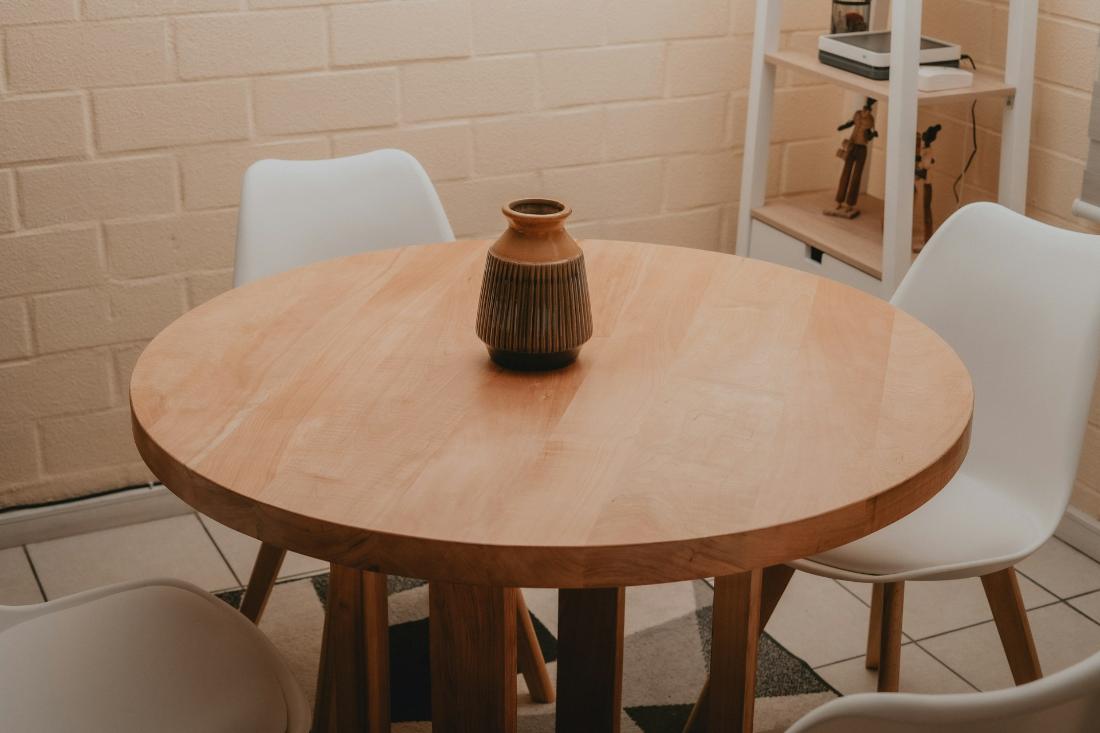
There is a piece of furniture that holds a unique, almost sacred place in our lives. It is the table. In a Malaysian home, it is the gathering point for family meals, the surface where children sprawl with homework, and the stage for festive gatherings during Raya and Chinese New Year. In an office, it is the command centre for productivity, the boardroom table where decisions are made, and the reception desk that forms a first impression. Because of this profound role, a table is never just a piece of furniture; it is a participant in daily life. This is why the decision to commission a custom made table is so significant, and why the expertise of a specialist custom made table contractor in Malaysia is invaluable. This professional is far more than a carpenter; they are a collaborative designer, a material alchemist, a structural engineer, and a craftsman dedicated to creating a piece that is not only beautiful but perfectly attuned to its users, its space, and its purpose.
The journey towards commissioning a custom table is often born from a specific frustration or an unfulfilled vision. It might be a homeowner who has searched endlessly for a dining table that fits an awkwardly shaped dining alcove, only to find that standard sizes are either too large, blocking flow, or too small, looking lost. It could be a restaurant owner needing a series of durable, distinctive tables that can withstand the rigours of daily service while embodying a specific brand aesthetic. Or it might be a corporate client seeking a boardroom table of commanding presence, integrated with all the necessary technology, yet crafted to a scale that precisely fits the room's proportions. Off-the-shelf furniture, for all its convenience, is designed for the statistical average, for the hypothetical "standard" home or office. The real world, however, is full of unique spaces, personal tastes, and specific functional needs. A custom table contractor exists to bridge this gap, translating individual requirements into a tangible, functional, and beautiful reality.
The relationship begins with a consultation that is as much about listening as it is about measuring. A skilled contractor comes armed with a tape measure and a notebook, but their most important tools are their questions. They seek to understand not just the dimensions of the space, but the rhythm of the life that will unfold around the table. How many people will typically use it? Will it be used for formal dining, casual family meals, or as a multifunctional workspace? What is the existing décor, and what feeling should the table evoke—rustic warmth, modern minimalism, or timeless elegance? For a commercial client, the questions delve into brand identity, customer experience, and practical durability. This investigative dialogue is the foundation upon which a truly successful custom piece is built. It ensures the final creation is not just a beautiful object, but a perfect fit for its context and its purpose.
The journey towards commissioning a custom table is often born from a specific frustration or an unfulfilled vision. It might be a homeowner who has searched endlessly for a dining table that fits an awkwardly shaped dining alcove, only to find that standard sizes are either too large, blocking flow, or too small, looking lost. It could be a restaurant owner needing a series of durable, distinctive tables that can withstand the rigours of daily service while embodying a specific brand aesthetic. Or it might be a corporate client seeking a boardroom table of commanding presence, integrated with all the necessary technology, yet crafted to a scale that precisely fits the room's proportions. Off-the-shelf furniture, for all its convenience, is designed for the statistical average, for the hypothetical "standard" home or office. The real world, however, is full of unique spaces, personal tastes, and specific functional needs. A custom table contractor exists to bridge this gap, translating individual requirements into a tangible, functional, and beautiful reality.
The relationship begins with a consultation that is as much about listening as it is about measuring. A skilled contractor comes armed with a tape measure and a notebook, but their most important tools are their questions. They seek to understand not just the dimensions of the space, but the rhythm of the life that will unfold around the table. How many people will typically use it? Will it be used for formal dining, casual family meals, or as a multifunctional workspace? What is the existing décor, and what feeling should the table evoke—rustic warmth, modern minimalism, or timeless elegance? For a commercial client, the questions delve into brand identity, customer experience, and practical durability. This investigative dialogue is the foundation upon which a truly successful custom piece is built. It ensures the final creation is not just a beautiful object, but a perfect fit for its context and its purpose.
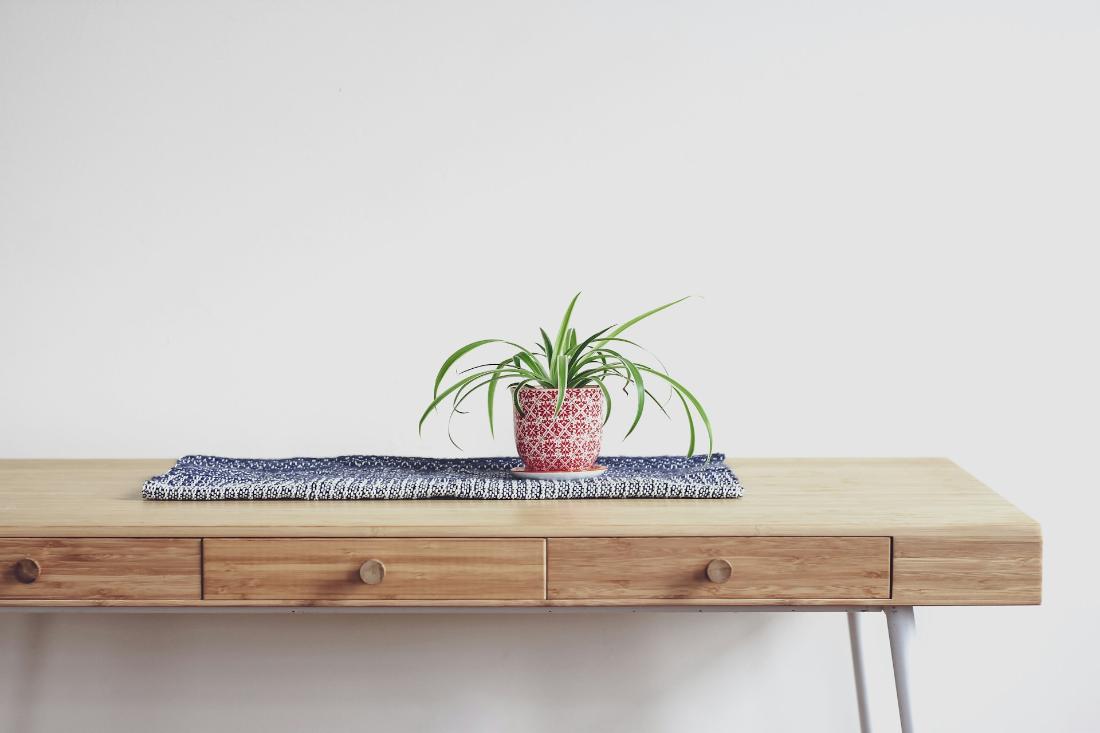
Once the vision is clear, the contractor's role expands into that of a material scientist and design advisor. The choice of material is the single most defining decision, impacting aesthetics, durability, maintenance, and cost. For timber, the options are vast and nuanced. A contractor will guide clients through the spectrum of local and imported hardwoods. Durable Malaysian species like chengal, merbau, or nyatoh offer incredible strength, natural resistance to humidity and insects, and rich, warm tones that deepen with age. Imported timbers like oak, walnut, or teak provide different grain patterns, hardness levels, and colour palettes. The contractor explains the practical implications: harder woods resist dents but can be more challenging to machine; some species have higher natural oil content affecting finish adhesion. Beyond solid wood, they may recommend engineered options like plywood with wood veneers for large surfaces requiring stability against warping, or incorporate metals like powder-coated steel or brushed brass for bases and legs, adding an industrial or contemporary edge. For clients seeking a truly unique statement, they might source live-edge slabs, where the natural edge of the tree is preserved, or integrate materials like stone, resin, or even reclaimed wood with a history. The contractor's expertise ensures the chosen material palette is not only beautiful but structurally and environmentally suited to its final home.
The true artistry of a custom table contractor, however, lies in the seamless marriage of design and engineering. A table must be more than visually stunning; it must be structurally sound. A long, unsupported span of timber will eventually sag. A delicate-looking base must be engineered to bear significant weight without wobbling. This is where the contractor's deep knowledge of joinery, construction, and material properties comes to the fore. They design internal support systems—hidden aprons, subtle stretchers, or robust leg-to-top connections—that ensure the table's stability without compromising its aesthetic lines. For complex shapes or large-scale pieces, they may create detailed engineering drawings and even mock-ups. The integration of technology, a growing demand in modern offices and homes, is another area of expertise. A contractor can design a boardroom table with discreet cable management channels, integrated power grommets, and flush-mounted data ports, ensuring a clean, uncluttered surface. For a home, they might incorporate wireless charging pads into the tabletop or design a lift-top coffee table with hidden storage. This blend of aesthetic vision and structural intelligence is the hallmark of a true professional.
In the contractor's workshop, the design moves from paper to reality, guided by a blend of modern technology and time-honoured craft. Many leading contractors now use Computer Numerical Control (CNC) machinery to achieve a level of precision that is impossible by hand alone. A CNC router can cut complex joinery, carve intricate patterns, and shape tabletops with millimetric accuracy. However, the machine is only a tool; the craftsman's hand remains essential. After the CNC work, skilled artisans take over. They hand-sand surfaces to a silky smoothness, coaxing out the natural beauty of the grain. They apply stains, oils, or lacquers with practiced technique, building up layers of finish that protect the wood and enhance its depth. For a piece with a live edge, they carefully preserve and highlight the natural contours. For a metal base, they meticulously grind and polish welds to an invisible finish. This human touch is what transforms a precisely manufactured component into a piece of furniture with soul—a surface that feels warm, inviting, and alive.
The true artistry of a custom table contractor, however, lies in the seamless marriage of design and engineering. A table must be more than visually stunning; it must be structurally sound. A long, unsupported span of timber will eventually sag. A delicate-looking base must be engineered to bear significant weight without wobbling. This is where the contractor's deep knowledge of joinery, construction, and material properties comes to the fore. They design internal support systems—hidden aprons, subtle stretchers, or robust leg-to-top connections—that ensure the table's stability without compromising its aesthetic lines. For complex shapes or large-scale pieces, they may create detailed engineering drawings and even mock-ups. The integration of technology, a growing demand in modern offices and homes, is another area of expertise. A contractor can design a boardroom table with discreet cable management channels, integrated power grommets, and flush-mounted data ports, ensuring a clean, uncluttered surface. For a home, they might incorporate wireless charging pads into the tabletop or design a lift-top coffee table with hidden storage. This blend of aesthetic vision and structural intelligence is the hallmark of a true professional.
In the contractor's workshop, the design moves from paper to reality, guided by a blend of modern technology and time-honoured craft. Many leading contractors now use Computer Numerical Control (CNC) machinery to achieve a level of precision that is impossible by hand alone. A CNC router can cut complex joinery, carve intricate patterns, and shape tabletops with millimetric accuracy. However, the machine is only a tool; the craftsman's hand remains essential. After the CNC work, skilled artisans take over. They hand-sand surfaces to a silky smoothness, coaxing out the natural beauty of the grain. They apply stains, oils, or lacquers with practiced technique, building up layers of finish that protect the wood and enhance its depth. For a piece with a live edge, they carefully preserve and highlight the natural contours. For a metal base, they meticulously grind and polish welds to an invisible finish. This human touch is what transforms a precisely manufactured component into a piece of furniture with soul—a surface that feels warm, inviting, and alive.
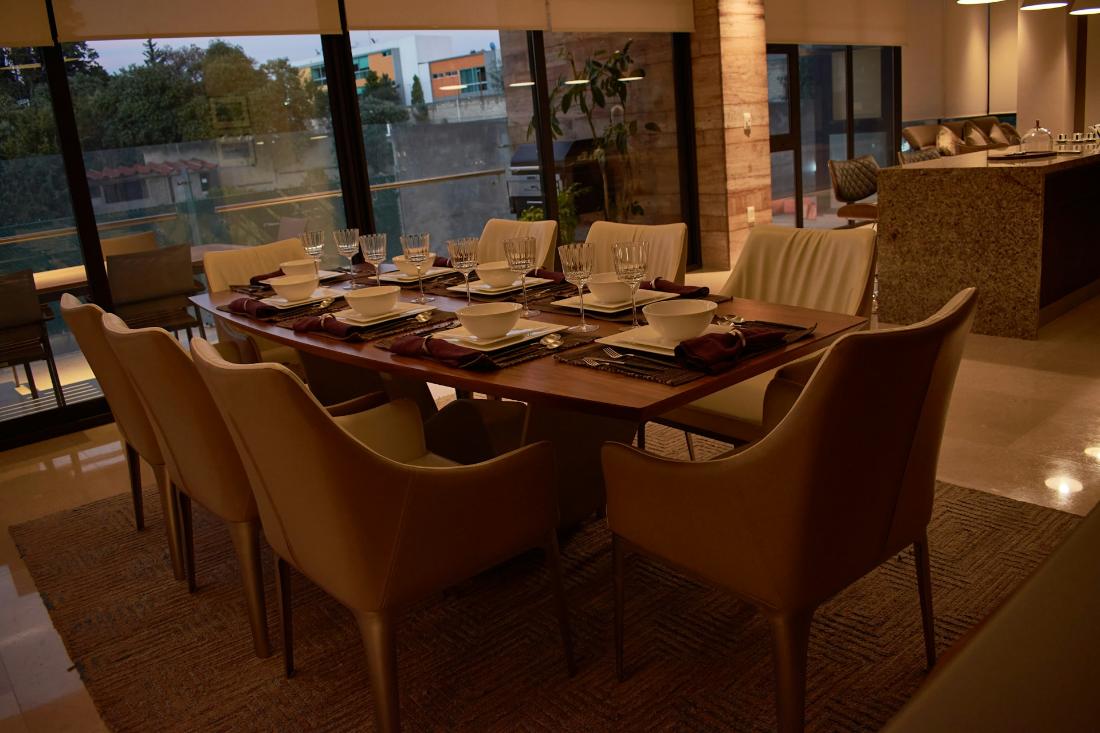
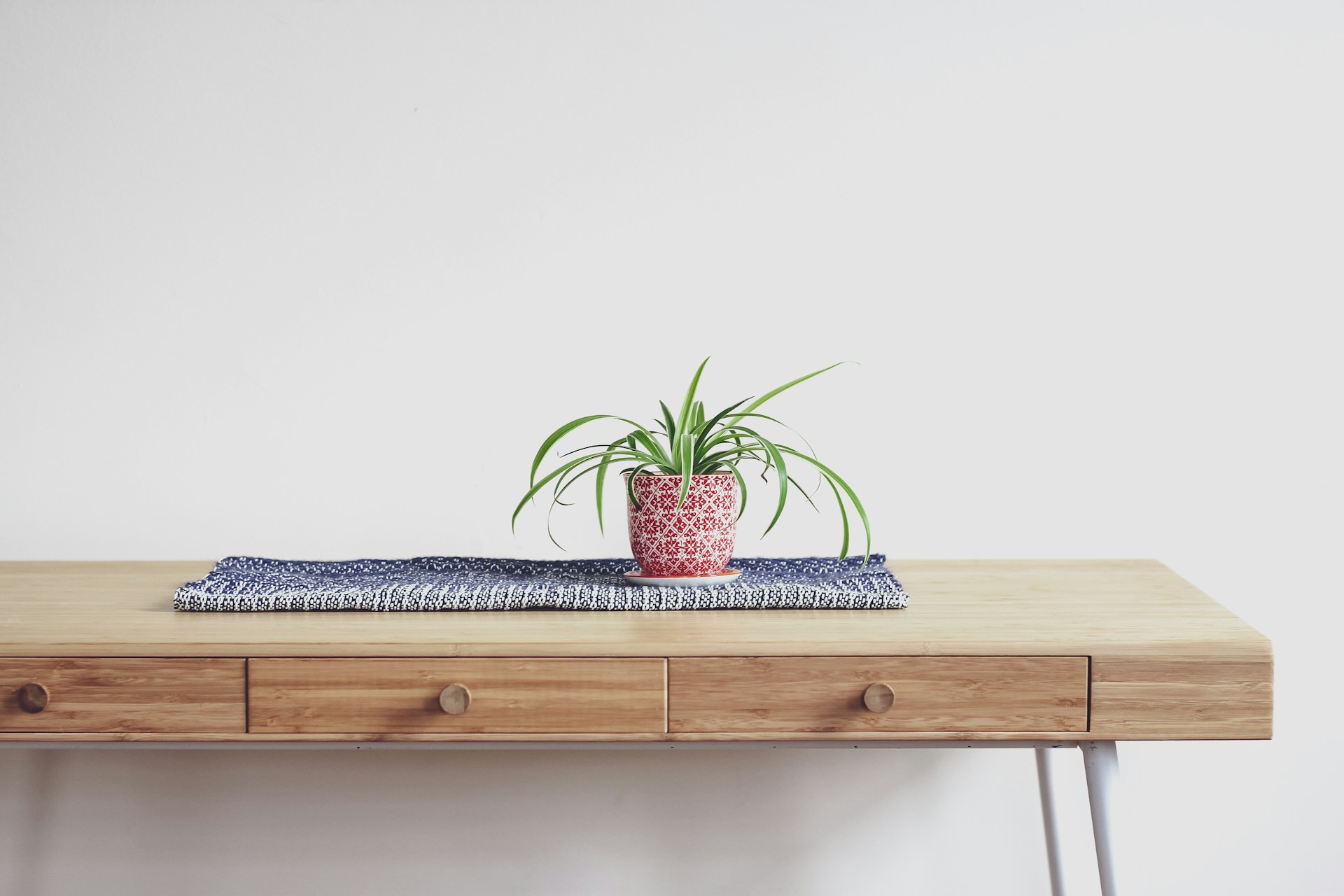
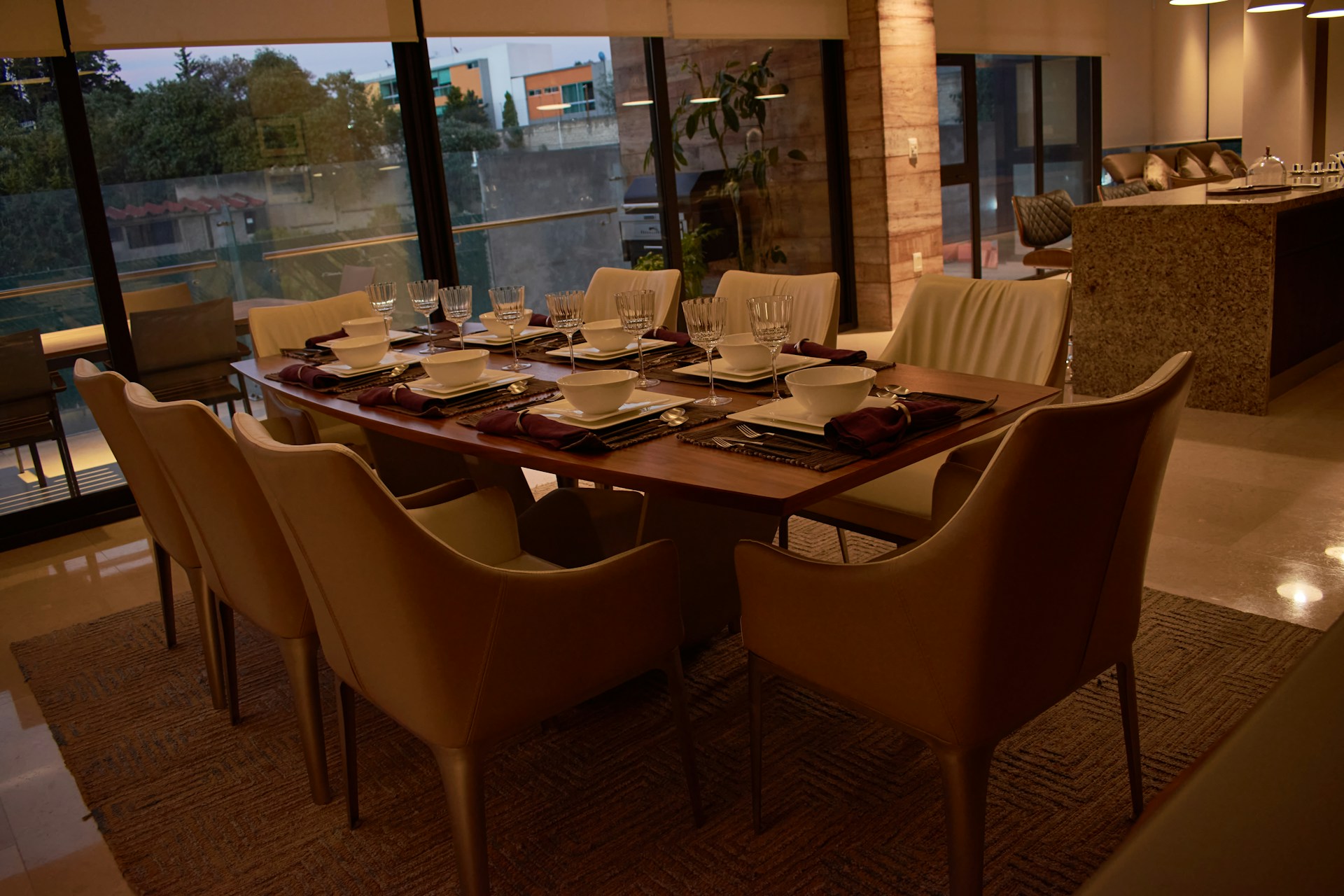
The final, and perhaps most critical, phase is the installation. A custom table is often large, heavy, and complex. Its journey from workshop to its final position requires meticulous planning. For a residential piece, this might involve navigating tight stairwells and doorways, sometimes requiring the table to be designed in sections that are assembled on-site. The contractor ensures the table is perfectly level, securely positioned, and that any integrated technology is fully functional. For a large commercial installation, this can be a significant logistical operation, requiring coordination with other trades and adherence to strict site schedules. The sight of a beautifully crafted table finally resting in its designated place, bathed in the light of its new home, is the culmination of the entire process. It is a moment of shared satisfaction, where the client's vision and the contractor's craft become one.
In a nation as diverse as Malaysia, the custom table contractor must also be attuned to cultural and lifestyle nuances. They understand that a family dining table might need to accommodate not just daily meals but the larger, communal gatherings of festive seasons, requiring extendable mechanisms or generously scaled dimensions. They are sensitive to the importance of feng shui for some clients, advising on proportions, placements, and materials that promote positive energy. They work within the constraints of urban living, designing space-saving solutions like wall-mounted fold-down desks for compact apartments or multi-functional tables that can serve as both a dining surface and a home office. This cultural intelligence ensures the furniture they create is not just a beautiful object, but a harmonious part of a client's life and environment.
Ultimately, engaging a professional custom made table contractor is an investment in a piece of functional art, a family heirloom, or a defining business asset. It is a decision that prioritises quality, longevity, and perfect fit over mass-produced compromise. The contractor delivers more than a product; they deliver a collaborative journey, expert guidance, and a warranty of craftsmanship. They build tables that are not just used, but lived with, loved, and passed down. In a world of disposable furniture, they stand for permanence, for the enduring value of things made well and made with purpose. They craft the surfaces upon which we share meals, conduct business, and build memories, proving that the tables we gather around deserve to be as unique and meaningful as the moments they will host for years to come.
In a nation as diverse as Malaysia, the custom table contractor must also be attuned to cultural and lifestyle nuances. They understand that a family dining table might need to accommodate not just daily meals but the larger, communal gatherings of festive seasons, requiring extendable mechanisms or generously scaled dimensions. They are sensitive to the importance of feng shui for some clients, advising on proportions, placements, and materials that promote positive energy. They work within the constraints of urban living, designing space-saving solutions like wall-mounted fold-down desks for compact apartments or multi-functional tables that can serve as both a dining surface and a home office. This cultural intelligence ensures the furniture they create is not just a beautiful object, but a harmonious part of a client's life and environment.
Ultimately, engaging a professional custom made table contractor is an investment in a piece of functional art, a family heirloom, or a defining business asset. It is a decision that prioritises quality, longevity, and perfect fit over mass-produced compromise. The contractor delivers more than a product; they deliver a collaborative journey, expert guidance, and a warranty of craftsmanship. They build tables that are not just used, but lived with, loved, and passed down. In a world of disposable furniture, they stand for permanence, for the enduring value of things made well and made with purpose. They craft the surfaces upon which we share meals, conduct business, and build memories, proving that the tables we gather around deserve to be as unique and meaningful as the moments they will host for years to come.